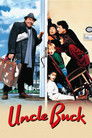
Made first for young men 1
Schulz & Schulz's audience scores lean most toward young men at 78 of 100, with comparable appeal to young women 1. Its overall reach is rated targeted — targeted reach aimed at a specific demographic segment 2. On content balance it reads entertainment-first at 0 of 100, weighting storytelling over explicit messaging 3.
- 1Audience scoreyoung men 78 of 100 is the top quadrant, with young women 67 close behind.WhatSphere audience model, score_version 1
- 2ReachAudience breadth rated targeted.WhatSphere audience model, score_version 1
- 3Content balanceContent balance entertainment-first at 0 of 100.WhatSphere content-balance model, score_version 1
WhatSphere presents the sourced record; it does not cast the judgement. Every statement above is drawn from a stored, sourced row — shown beside it — and nothing is asserted beyond what those receipts support.
Age: 28 — strongly youth-oriented
Quadrant Scores
Audience Representation
Racial audience not shown
Not enough of the cast has a researched race to score this honestly (10% classified).
Why this is blank
Racial audience scores need at least half the actor cast classified. Below that line the page shows this note instead of a number. A blank is not a score of zero.
Faithfulness
Faithfulness not applicable
Faithfulness is scored only for adaptations.
Why this is blank
An original has no source text to compare. The score is left blank rather than shown as zero.
Advocacy
Synopsis
East Germany before reunification: Wolfgang Schulz watches Western television and discovers his long-lost twin brother Walter on the show "Aktuelles Sportstudio." They quickly get in touch, and the two decide to switch roles for a few days. Since both work in advertising, they think it will be a temporary bit of fun. But everyday life turns out to be different. Shortly afterwards, the Berlin Wall falls and the brothers found a company together. Now their different mentalities really come to the fore, and "Schulz & Schulz" have to realize that even in the general spirit of optimism, it is not so easy to run a company together. It doesn't take long before the two find themselves in the red.
What did the audience think? Rate Schulz & Schulz — every voice counts equally, no account needed. Clean reviews appear instantly.
Lineage and popularity
No lineage or popularity yet
This title has no Wikidata match, source work, or Steam player snapshot. A missing snapshot is not zero.
Put its audience profile side by side with any other title.
Advocacy Over Time in Comedy
The average advocacy score of Comedy titles by release year, with this title marked. Higher is more advocacy-driven.
| Year | Average advocacy | Titles |
|---|---|---|
| 1914 | 0 | 2 |
| 1925 | 0 | 3 |
| 1931 | 2 | 2 |
| 1933 | 0 | 2 |
| 1935 | 0 | 4 |
| 1937 | 0 | 2 |
| 1940 | 2 | 4 |
| 1941 | 0 | 2 |
| 1943 | 0 | 2 |
| 1944 | 2 | 6 |
| 1945 | 0 | 4 |
| 1947 | 0 | 2 |
| 1948 | 2 | 2 |
| 1950 | 2 | 4 |
| 1951 | 0 | 2 |
| 1952 | 0 | 4 |
| 1953 | 0 | 10 |
| 1955 | 5 | 2 |
| 1956 | 3 | 3 |
| 1957 | 5 | 4 |
| 1958 | 0 | 6 |
| 1959 | 4 | 3 |
| 1960 | 2 | 5 |
| 1961 | 5 | 10 |
| 1962 | 1 | 6 |
| 1963 | 1 | 6 |
| 1964 | 3 | 8 |
| 1965 | 1 | 9 |
| 1966 | 1 | 6 |
| 1968 | 0 | 7 |
| 1969 | 6 | 5 |
| 1970 | 3 | 7 |
| 1971 | 0 | 5 |
| 1972 | 1 | 6 |
| 1973 | 1 | 9 |
| 1974 | 1 | 8 |
| 1975 | 0 | 9 |
| 1976 | 1 | 12 |
| 1977 | 4 | 7 |
| 1978 | 2 | 4 |
| 1979 | 1 | 8 |
| 1980 | 1 | 7 |
| 1981 | 1 | 9 |
| 1982 | 5 | 10 |
| 1983 | 1 | 12 |
| 1984 | 2 | 10 |
| 1985 | 3 | 14 |
| 1986 | 0 | 20 |
| 1987 | 0 | 17 |
| 1988 | 1 | 13 |
| 1989 | 2 | 24 |
| 1990 | 1 | 21 |
| 1991 | 1 | 14 |
| 1992 | 0 | 17 |
| 1993 | 1 | 20 |
| 1994 | 5 | 25 |
| 1995 | 3 | 19 |
| 1996 | 4 | 15 |
| 1997 | 2 | 22 |
| 1998 | 3 | 24 |
| 1999 | 3 | 36 |
| 2000 | 3 | 33 |
| 2001 | 1 | 31 |
| 2002 | 1 | 32 |
| 2003 | 2 | 29 |
| 2004 | 2 | 40 |
| 2005 | 4 | 41 |
| 2006 | 2 | 44 |
| 2007 | 1 | 53 |
| 2008 | 0 | 20 |
| 2009 | 4 | 18 |
| 2010 | 2 | 10 |
| 2011 | 2 | 21 |
| 2012 | 1 | 10 |
| 2013 | 10 | 13 |
| 2014 | 5 | 11 |
| 2015 | 4 | 7 |
| 2016 | 17 | 10 |
| 2017 | 6 | 7 |
| 2018 | 10 | 12 |
| 2019 | 7 | 16 |
| 2020 | 6 | 19 |
| 2021 | 9 | 19 |
| 2022 | 20 | 22 |
| 2023 | 22 | 11 |
| 2024 | 12 | 17 |
| 2025 | 2 | 23 |
| 2026 | 2 | 36 |
| This title (1989) | 0 | 1 |
● This title (1989): advocacy 0 · explore Comedy →
Cast & Crew
Ulrich Krafzik (director) · Ilse Hofmann (director)
Made for the Same Audience
Titles with the closest audience-sphere profile — not just the same genre.








Related Titles