Made first for young men 1
The Bill Cosby Show's audience scores lean most toward young men at 98 of 100 1. Its overall reach is rated targeted — targeted reach aimed at a specific demographic segment 2. On content balance it reads entertainment-first at 0 of 100, weighting storytelling over explicit messaging 3.
- 1Audience scoreyoung men 98 of 100 is the top quadrant.WhatSphere audience model, score_version 1
- 2ReachAudience breadth rated targeted.WhatSphere audience model, score_version 1
- 3Content balanceContent balance entertainment-first at 0 of 100.WhatSphere content-balance model, score_version 1
WhatSphere presents the sourced record; it does not cast the judgement. Every statement above is drawn from a stored, sourced row — shown beside it — and nothing is asserted beyond what those receipts support.
Synopsis
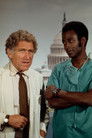
The Bill Cosby Show is an American situation comedy that aired for two seasons on NBC's Sunday night schedule from 1969 until 1971, under the sponsorship of Procter & Gamble. There were 52 episodes made in the series. It marked Bill Cosby's first solo foray in television, after his co-starring role with Robert Culp in I Spy. The series also marked the first time an African American starred in his or her own eponymous comedy series.
Age: 20 — strongly youth-oriented
Quadrant Scores
Audience Representation
What did the audience think? Rate The Bill Cosby Show — every voice counts equally, no account needed. Clean reviews appear instantly.
Put its audience profile side by side with any other title.
Advocacy Over Time in Comedy
The average advocacy score of Comedy titles by release year, with this title marked. Higher is more advocacy-driven.
| Year | Average advocacy | Titles |
|---|---|---|
| 1914 | 0 | 2 |
| 1925 | 0 | 3 |
| 1931 | 2 | 2 |
| 1933 | 0 | 2 |
| 1935 | 0 | 4 |
| 1937 | 0 | 2 |
| 1940 | 0 | 4 |
| 1941 | 0 | 2 |
| 1943 | 0 | 2 |
| 1944 | 1 | 6 |
| 1945 | 0 | 4 |
| 1947 | 0 | 2 |
| 1948 | 2 | 2 |
| 1950 | 1 | 4 |
| 1951 | 0 | 2 |
| 1952 | 0 | 4 |
| 1953 | 0 | 10 |
| 1955 | 4 | 2 |
| 1956 | 2 | 3 |
| 1957 | 3 | 4 |
| 1958 | 0 | 6 |
| 1959 | 2 | 3 |
| 1960 | 0 | 5 |
| 1961 | 2 | 10 |
| 1962 | 1 | 6 |
| 1963 | 0 | 6 |
| 1964 | 0 | 8 |
| 1965 | 0 | 9 |
| 1966 | 0 | 6 |
| 1968 | 0 | 7 |
| 1969 | 2 | 5 |
| 1970 | 1 | 7 |
| 1971 | 0 | 5 |
| 1972 | 0 | 6 |
| 1973 | 0 | 9 |
| 1974 | 1 | 8 |
| 1975 | 0 | 9 |
| 1976 | 0 | 12 |
| 1977 | 2 | 7 |
| 1978 | 1 | 4 |
| 1979 | 1 | 8 |
| 1980 | 0 | 7 |
| 1981 | 0 | 9 |
| 1982 | 4 | 10 |
| 1983 | 1 | 12 |
| 1984 | 0 | 10 |
| 1985 | 1 | 14 |
| 1986 | 0 | 20 |
| 1987 | 0 | 17 |
| 1988 | 0 | 13 |
| 1989 | 1 | 24 |
| 1990 | 0 | 21 |
| 1991 | 1 | 14 |
| 1992 | 0 | 17 |
| 1993 | 0 | 20 |
| 1994 | 3 | 25 |
| 1995 | 1 | 19 |
| 1996 | 2 | 15 |
| 1997 | 1 | 22 |
| 1998 | 1 | 24 |
| 1999 | 2 | 36 |
| 2000 | 1 | 33 |
| 2001 | 1 | 31 |
| 2002 | 1 | 32 |
| 2003 | 1 | 29 |
| 2004 | 1 | 40 |
| 2005 | 2 | 41 |
| 2006 | 1 | 44 |
| 2007 | 1 | 53 |
| 2008 | 0 | 20 |
| 2009 | 2 | 18 |
| 2010 | 1 | 10 |
| 2011 | 1 | 21 |
| 2012 | 0 | 10 |
| 2013 | 4 | 13 |
| 2014 | 3 | 11 |
| 2015 | 2 | 7 |
| 2016 | 13 | 10 |
| 2017 | 3 | 7 |
| 2018 | 6 | 12 |
| 2019 | 4 | 16 |
| 2020 | 4 | 19 |
| 2021 | 5 | 19 |
| 2022 | 13 | 22 |
| 2023 | 17 | 11 |
| 2024 | 7 | 17 |
| 2025 | 2 | 17 |
| 2026 | 2 | 17 |
| This title (1969) | 0 | 1 |
● This title (1969): advocacy 0 · explore Comedy →
Cast & Crew
Made for the Same Audience
Titles with the closest audience-sphere profile — not just the same genre.





Related Titles