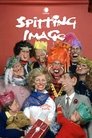
Made first for young men 1
Assaulted Nuts's audience scores lean most toward young men at 65 of 100 1. Its overall reach is rated mainstream — mainstream, general-audience reach 2. Relative to the expected cast make-up for its production origin, on-screen representation registers above the baseline for White 3. On content balance it reads entertainment-first at 0 of 100, weighting storytelling over explicit messaging 4.
- 1Audience scoreyoung men 65 of 100 is the top quadrant.WhatSphere audience model, score_version 1
- 2ReachAudience breadth rated mainstream.WhatSphere audience model, score_version 1
- 3RepresentationRepresentation vs production-origin baseline: White 88.WhatSphere representation model, score_version 1
- 4Content balanceContent balance entertainment-first at 0 of 100.WhatSphere content-balance model, score_version 1
WhatSphere presents the sourced record; it does not cast the judgement. Every statement above is drawn from a stored, sourced row — shown beside it — and nothing is asserted beyond what those receipts support.
Age: 43 — leans younger
Quadrant Scores
Audience Representation
Faithfulness
Faithfulness not applicable
Faithfulness is scored only for adaptations.
Why this is blank
An original has no source text to compare. The score is left blank rather than shown as zero.
Advocacy
Synopsis
Assaulted Nuts was a short-lived TV comedy series which ran in early 1985. The show was constructed as a fast-paced succession of short, unconnected sketches. It was a co-production between Cinemax in the US and Channel 4 in the UK. The US-UK nature of the show was demonstrated in the unusual nature of its casting: American performers like Elaine Hausman, William Sadler and the soon-to-be-famous Wayne Knight acted alongside the familiar British comic actors Cleo Rocos, Tim Brooke-Taylor, Daniel Peacock and Barry Cryer. In the UK the show was broadcast in a late-night slot and seen by relatively few people. In spite of the quality of its writing and the abilities of its performers, it made little impact. Seven 30-minute eposodes were made before the show was cancelled. The original broadcasts were weekly between 17 January and 28 February 1985.
What did the audience think? Rate Assaulted Nuts — every voice counts equally, no account needed. Clean reviews appear instantly.
Lineage and popularity
No lineage or popularity yet
This title has no Wikidata match, source work, or Steam player snapshot. A missing snapshot is not zero.
Put its audience profile side by side with any other title.
Advocacy Over Time in Comedy
The average advocacy score of Comedy titles by release year, with this title marked. Higher is more advocacy-driven.
| Year | Average advocacy | Titles |
|---|---|---|
| 1914 | 0 | 2 |
| 1925 | 0 | 3 |
| 1931 | 2 | 2 |
| 1933 | 0 | 2 |
| 1935 | 0 | 4 |
| 1937 | 0 | 2 |
| 1940 | 2 | 4 |
| 1941 | 0 | 2 |
| 1943 | 0 | 2 |
| 1944 | 2 | 6 |
| 1945 | 0 | 4 |
| 1947 | 0 | 2 |
| 1948 | 2 | 2 |
| 1950 | 2 | 4 |
| 1951 | 0 | 2 |
| 1952 | 0 | 4 |
| 1953 | 0 | 10 |
| 1955 | 5 | 2 |
| 1956 | 3 | 3 |
| 1957 | 5 | 4 |
| 1958 | 0 | 6 |
| 1959 | 4 | 3 |
| 1960 | 2 | 5 |
| 1961 | 5 | 10 |
| 1962 | 1 | 6 |
| 1963 | 1 | 6 |
| 1964 | 3 | 8 |
| 1965 | 1 | 9 |
| 1966 | 1 | 6 |
| 1968 | 0 | 7 |
| 1969 | 6 | 5 |
| 1970 | 3 | 7 |
| 1971 | 0 | 5 |
| 1972 | 1 | 6 |
| 1973 | 1 | 9 |
| 1974 | 1 | 8 |
| 1975 | 0 | 9 |
| 1976 | 1 | 12 |
| 1977 | 4 | 7 |
| 1978 | 2 | 4 |
| 1979 | 1 | 8 |
| 1980 | 1 | 7 |
| 1981 | 1 | 9 |
| 1982 | 5 | 10 |
| 1983 | 1 | 12 |
| 1984 | 2 | 10 |
| 1985 | 3 | 14 |
| 1986 | 0 | 20 |
| 1987 | 0 | 17 |
| 1988 | 1 | 13 |
| 1989 | 2 | 24 |
| 1990 | 1 | 21 |
| 1991 | 1 | 14 |
| 1992 | 0 | 17 |
| 1993 | 1 | 20 |
| 1994 | 5 | 25 |
| 1995 | 3 | 19 |
| 1996 | 4 | 15 |
| 1997 | 2 | 22 |
| 1998 | 3 | 24 |
| 1999 | 3 | 36 |
| 2000 | 3 | 33 |
| 2001 | 1 | 31 |
| 2002 | 1 | 32 |
| 2003 | 2 | 29 |
| 2004 | 2 | 40 |
| 2005 | 4 | 41 |
| 2006 | 2 | 44 |
| 2007 | 1 | 53 |
| 2008 | 0 | 20 |
| 2009 | 4 | 18 |
| 2010 | 2 | 10 |
| 2011 | 2 | 21 |
| 2012 | 1 | 10 |
| 2013 | 10 | 13 |
| 2014 | 5 | 11 |
| 2015 | 4 | 7 |
| 2016 | 17 | 10 |
| 2017 | 6 | 7 |
| 2018 | 10 | 12 |
| 2019 | 7 | 16 |
| 2020 | 6 | 19 |
| 2021 | 9 | 19 |
| 2022 | 20 | 22 |
| 2023 | 22 | 11 |
| 2024 | 12 | 17 |
| 2025 | 2 | 23 |
| 2026 | 2 | 36 |
| This title (1985) | 0 | 1 |
● This title (1985): advocacy 0 · explore Comedy →
Cast & Crew
Made for the Same Audience
Titles with the closest audience-sphere profile — not just the same genre.








Related Titles