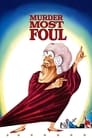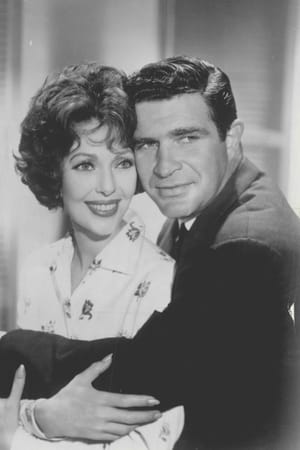
The Verdict
Audience
Made primarily for young women (80), with strong secondary appeal to older women (71).
Reach
Has targeted appeal — designed for a specific demographic segment.
Advocacy
Entertainment (0/100) — content choices prioritize storytelling over messaging.
Representation
lower hispanic (28) and black (26) and white (1) representation.
Demographic Position
Gender: 76 — strongly female-targetedAge: 46 — age-balanced
0 = Male / Youth100 = Female / Mature
Quadrant Scores
Young Men
29
How strongly this title appeals to males 18–34. Based on genre, cast, action/violence levels, pacing, and marketing signals. Higher = stronger appeal.
Young Women
80
How strongly this title appeals to females 18–34. Based on genre, romance centrality, cast composition, lead demographics, and tone. Higher = stronger appeal.
Older Men
20
How strongly this title appeals to males 35+. Based on theme maturity, pacing, complexity, genre, and production style. Higher = stronger appeal.
Older Women
71
How strongly this title appeals to females 35+. Based on drama elements, character complexity, genre, cast, and emotional themes. Higher = stronger appeal.
Advocacy0
Entertainment
Audience Representation
White
1
Measures deviation from the expected White representation based on this title's production origin. 50 = baseline for its country. Higher = more representation than typical.
Black
26
Measures deviation from the expected Black representation based on this title's production origin. 50 = baseline for its country. Higher = more representation than typical.
Hispanic
28
Measures deviation from the expected Hispanic representation based on this title's production origin. 50 = baseline for its country. Higher = more representation than typical.
Asian
38
Measures deviation from the expected Asian representation based on this title's production origin. 50 = baseline for its country. Higher = more representation than typical.
South Asian
46
Measures deviation from the expected South Asian representation based on this title's production origin. 50 = baseline for its country. Higher = more representation than typical.
Middle Eastern
48
Measures deviation from the expected Middle Eastern representation based on this title's production origin. 50 = baseline for its country. Higher = more representation than typical.
Indigenous
48
Measures deviation from the expected Indigenous representation based on this title's production origin. 50 = baseline for its country. Higher = more representation than typical.
Mixed
42
Measures deviation from the expected Mixed representation based on this title's production origin. 50 = baseline for its country. Higher = more representation than typical.
Other
48
Measures deviation from the expected Other representation based on this title's production origin. 50 = baseline for its country. Higher = more representation than typical.
LGBTQ+
0
LGBTQ+ representation score based on character centrality, cast percentage, lead representation, and source fidelity. 0 = no representation, 100 = central to the story.